

How does water quality affect the service life of a liquid ring vacuum pump?
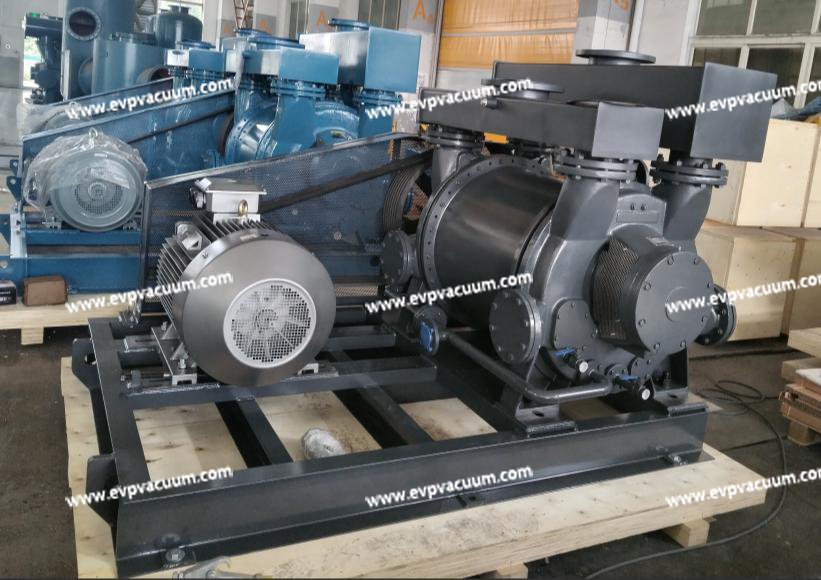
Water quality has a direct and critical impact on the service life of liquid ring vacuum pumps. Poor water quality will accelerate equipment wear and tear from multiple dimensions such as scaling, corrosion, cavitation, and abrasion, and significantly shorten the service life of the equipment.
1.Structural damage caused by scale buildup
1.1 Flow channel blockage and gap damage: Calcium, magnesium and other minerals in the water crystallize when heated for a long time and adhere to the surface of components such as impeller, pump body and disc. This will directly reduce the fit clearance between the impeller and the disc, causing problems such as abnormal operating noise and overload of starting current.
1.2 Decreased heat exchange efficiency: Scale buildup on the heat exchange surface will significantly reduce heat exchange efficiency, causing the working fluid temperature to rise abnormally, further aggravating the heat load inside the pump body and accelerating the aging and deformation of metal components.
1.3 Irreversible performance degradation: Severe scaling can directly clog water pipes and nozzles, causing poor water circulation, a continuous decrease in pumping speed and vacuum, and long-term operation will cause irreversible performance degradation of the pump’s internal structure.
2.Corrosion of components by corrosive water
2.1 Corrosion damage to flow components: If corrosive substances such as acids, alkalis, and oils are mixed in the working fluid, they will continuously corrode the pump body wall, impeller, and other flow components, damaging the metal surface structure and causing the components to become thinner and weaker.
2.2 Premature failure of sealing systems: Corrosive impurities can accelerate the aging and wear of mechanical seals and shaft seals, causing leakage problems, damaging the tightness of the water ring, further reducing the operational stability of the equipment, and significantly shortening the replacement cycle of seals.
3.Impurities and abnormal water quality exacerbate the risk of cavitation.
3.1 Cavitation impact damage to components: Poor water quality can indirectly lead to a decrease in the heat exchange efficiency of the working fluid and an abnormal increase in water temperature. When the water temperature approaches the saturated vapor pressure, a large number of bubbles will be generated inside the liquid ring. The bubbles will burst in the high-pressure area, forming high-frequency impacts that directly erode the impeller and the inner wall of the pump body, causing irreversible cavitation damage.
3.2 Solid particle abrasive wear: Mud and sand carried in the water will be swept by the liquid ring at high speed to scour the impeller and the inner wall of the pump cavity, forming abrasive wear. Long-term operation will lead to impeller dynamic balance failure, pitting and denting on the surface of components, and significantly shorten the service life of bearings and impellers.
4.Key points of water quality control to extend equipment life
4.1 Source water pretreatment strategy
1.Water source selection: prioritize the use of clean soft water or deionized water at room temperature as the working fluid, and avoid the direct use of high-hardness well water or untreated industrial wastewater.
2.Softening treatment: Ordinary tap water needs to be softened to remove calcium and magnesium ions, reducing the risk of scaling at the source. The total hardness of the working fluid is controlled at ≤2mmol/L.
3.Impurity interception: Install a 60-80 mesh high-precision filter in the water inlet pipe to block mud, sand and solid particles from entering the pump chamber and prevent abrasive wear on the impeller.
5.pH control: The pH of the working solution is kept stable in the neutral range of 6.5-8.5 to avoid corrosion of flow components by acidic or alkaline water.
4.2 Dynamic control strategy during operation
1.Temperature control: Use low-temperature working water as much as possible, and pair it with a dual-circulation cooling device. The first-stage cooling controls the working fluid temperature, and the second-stage cooling maintains the pump body temperature to avoid excessive water temperature from aggravating cavitation.
2.Continuous liquid replenishment: During operation, the pretreated working fluid is continuously replenished to the equipment to maintain a stable liquid level in the gas-liquid separator, which is kept in the range of 1/2-2/3 of the viewing window.
3.Real-time monitoring: Daily inspection records three core indicators of the working fluid: temperature, conductivity, and pH value. If abnormal fluctuations occur, water quality changes will be investigated immediately.
4.Pollution prevention and isolation: When pumping corrosive or dusty gases, install a washing and neutralizing device at the air inlet to prevent harmful media from directly mixing into the working fluid.
4.3 Regular maintenance strategy
1.Regular fluid change: Completely replace the working fluid every 500-1000 hours of operation, and clean the impurities and scale deposited at the bottom of the water tank at the same time.
2.Filter maintenance: Check the inlet filter weekly. If the liquid flow slows down or becomes clogged, disassemble and clean it promptly. Replace the filter element if it fails.
3.Regular descaling: Perform acid cleaning and descaling on the pump chamber and pipeline every 3-6 months to remove scale adhering to the impeller and pump body wall and restore the flow channel diameter.
4.Antifreeze drainage: When shutting down outdoors in winter, thoroughly drain the water from the pump and pipelines to prevent freezing and cracking of the pump body and pipelines.
4.4 Special working condition adaptation strategy
1.Corrosive operating conditions: When handling acidic gases, use 316L stainless steel or Hastelloy material for flow-through components, and match them with a double-end mechanical seal + cleaning fluid flushing system.
2.High dust conditions: An automatic timed flushing circuit is set in the pump chamber to periodically flush the pump chamber with clean water to prevent dust from accumulating in the working fluid and forming a highly abrasive slurry.
3.Long-term shutdown condition: Before the equipment is idle for a long period of time, completely drain the internal working fluid, rinse the entire fluid system with clean soft water, blow dry and then perform rust prevention treatment to avoid residual impurities from forming scale and corroding parts.
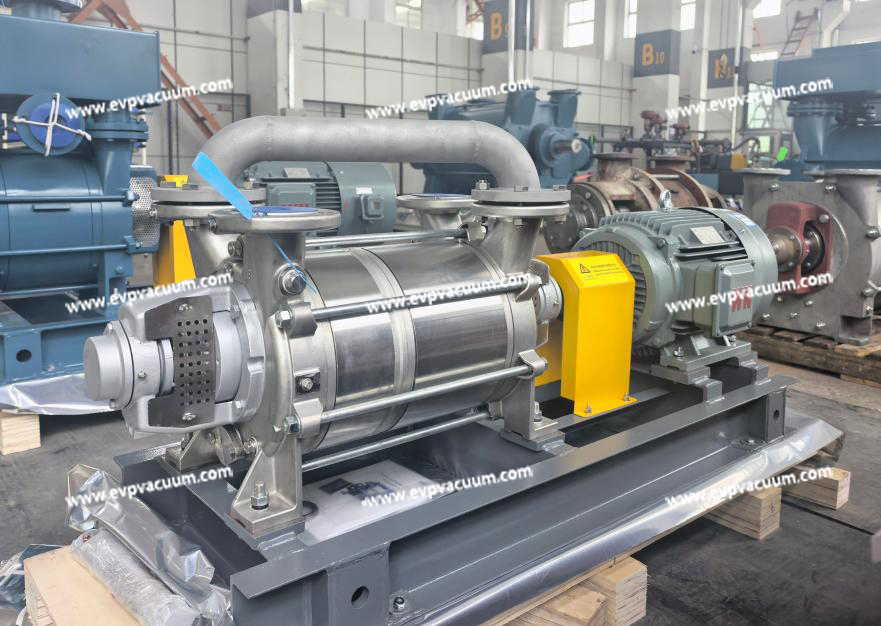
Water quality is a critical factor affecting the lifespan of liquid ring vacuum pumps. Corrosion, scaling, and biological contamination caused by substandard water quality can continuously erode internal components, reduce equipment efficiency, and lead to frequent malfunctions and premature aging. Through scientific circulating water pretreatment, standardized daily maintenance, and material optimization for demanding operating conditions, companies can effectively avoid equipment damage caused by water quality, maximize the lifespan of liquid ring vacuum pumps, and reduce overall lifespan operating and maintenance costs.